




When an employee goes cold after you become their manager, it is usually a reaction to the change, not a verdict on you. Do not chase their approval or lower the bar. Have one private, curious conversation that names the shift and restates expectations, then be consistently fair for the following weeks.
This question comes up often on forums like r/managers, and the answer is rarely dramatic. The chill is most intense when you start raising performance issues the previous manager let slide. The employee is not only reacting to your feedback. They are reacting to years of silence followed by a sudden sense that the rules have changed.
This article walks through why it happens, what not to do, how to hold the one honest conversation, and what the next six to eight weeks should look like. It also covers the point where coolness turns into conflict, and where outside support helps. It is written for new and recently promoted managers in Australian businesses with no HR team, and for owners watching it play out.
Key Takeaways
- Coldness after a change in management is usually a reaction to loss, unfairness and new expectations. It is information, not an attack. Conflict is not a bad word.
- Do not chase approval, over-explain, quietly soften standards, avoid the person or vent to their peers.
- Have one short, private conversation: name what you have noticed, own the change, restate expectations, ask what is hard, agree regular check-ins.
- Trust returns through weeks of consistent, fair behaviour, not through one good conversation.
- Escalate your response when coolness becomes refusal, undermining, complaints or the team taking sides. Not every matter needs the same process.
- You cannot be neutral about your own people. A sounding board outside the business helps you hold the line warmly.
Summary Table
| Stage | What is usually going on | What helps | What to avoid |
|---|---|---|---|
| Noticing the chill | The employee is adjusting to a change in expectations and status | Observe calmly, rule out other explanations | Taking it personally or reacting publicly |
| The one conversation | Unspoken frustration and a sense of unfairness | Short, private, curious, plain expectations | Over-explaining, apologising for the standard |
| The following weeks | Testing whether the change is real and fair | Same standards for all, regular one-on-ones, specific recognition | Inconsistency, favourites, quiet softening |
| Escalation | Coolness showing up as refusal, undermining or complaints | Process advice, matching the response to the problem | Handling it alone, venting to the team |
| Outside support | You need a sounding board that is not part of the business | Conflict coaching, HR guidance, triage | Waiting until it is entrenched |
Why has my employee gone cold since I became their manager?
Employees usually go cold because the change has cost them something: predictability, status or freedom. If the previous manager stayed silent about slipping standards, your first piece of feedback feels like a rule change rather than a correction. The chill is a reaction to that shift and a sense of unfairness, not necessarily a judgement of you.
It helps to understand the likely drivers before you decide what to do. Most of the time, more than one is in play.
Expectations have shifted
Every manager runs a team differently. The previous manager may have been relaxed about deadlines, start times or follow-through. You may be clearer, more structured or simply more attentive. From the employee's side, nothing about their work changed. Only the response to it did.
They have lost status or freedom
If you were a peer before you became their manager, they may feel a loss of standing. If you came from outside, they may have lost the autonomy they had under someone who rarely checked in. Either way, a quiet sense of being watched can produce distance.
The previous manager stayed silent
Silence is not neutral. When a manager says nothing about a problem for months or years, the employee reasonably concludes that the work is fine. When a new manager raises it, the employee does not hear "here is a gap." They hear "you have been doing this wrong all along, and nobody told me." That is a real grievance, and it is not about you.
The change feels unfair
People forgive high standards more readily than they forgive sudden ones. If a colleague with similar habits is not being raised with, or if the employee was well regarded until now, the shift can feel personal. Unfairness, real or perceived, is the fastest route to coolness.
Other explanations worth ruling out
Before assuming the chill is about you, consider whether the employee wanted your role, whether something is happening outside work, or whether the whole team is adjusting to the change. A single quiet observation over a week or two is more useful than a theory built overnight.
A hypothetical scenario
Imagine a 60-person landscaping supplies business. Sam is promoted to team leader and inherits Priya, a long-serving, well-liked employee. Priya has been missing internal deadlines for a year. Her previous manager never raised it because she is friendly and the deadlines rarely caused a visible problem.
In her first month, Sam asks Priya for a late report and mentions that it is the third time. Priya goes quiet. She stops joining the morning chat, answers in single words and starts copying a colleague into emails. Sam reads it as disrespect and considers either backing off or getting firm.
Both instincts miss the point. Priya has just been told, for the first time, that a pattern she did not know was a problem is a problem. She is processing it in front of her peers, with a new manager she does not yet trust. The coldness is a signal that something needs attention, and it is workable.
What should you not do when an employee goes cold?
Do not chase their approval, over-explain, quietly soften standards, avoid them or vent to their peers. Each move feels sensible in the moment and each one makes things worse. They signal that the coldness works, that your standards are negotiable, or that your team is where problems get discussed instead of with the person.
Do not chase their approval
Extra friendliness, favours or lighter treatment to win them back teach the employee that coolness gets results. It also puts you in a position where your decisions are driven by how they feel about you. Respect first, warmth follows.
Do not over-explain
Long justifications sound defensive. If you spend ten minutes explaining why you are entitled to set expectations, the employee hears doubt. Say it once, plainly, and stop.
Do not quietly soften standards
Letting a deadline slide this time "to keep the peace" recreates the problem you inherited. It is also unfair to colleagues who are meeting the standard. A standard that bends under social pressure is not a standard.
Do not avoid them
Skipping one-on-ones, dropping the person from conversations or communicating only by email widens the gap. Avoidance also tells the rest of the team that something is wrong, which invites speculation.
Do not vent to their peers
Talking through your frustration with their colleagues feels like seeking advice. It is actually how sides form. It also tends to get back to the employee, and it damages trust with the whole team. Take it to a sounding board outside the team instead.
How do you have the one honest conversation?
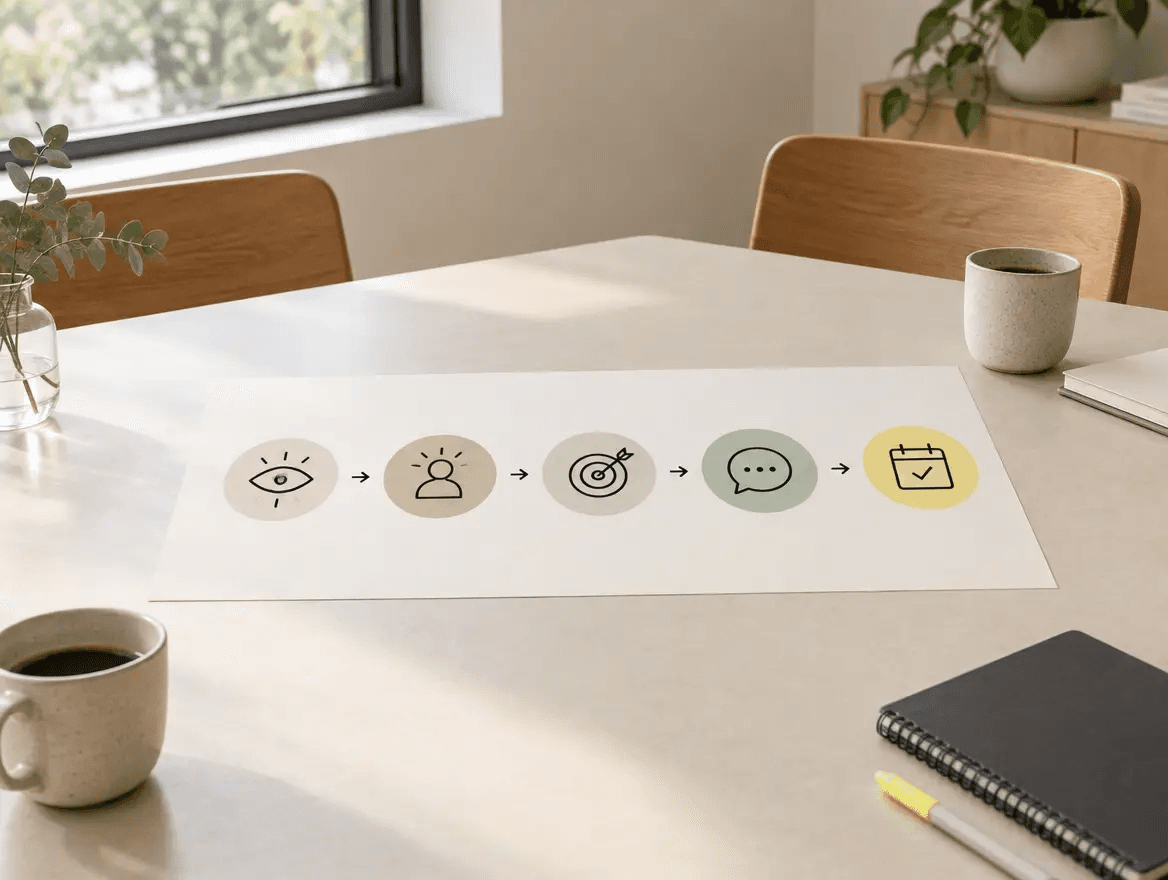
Hold one short, private conversation that is curious rather than defensive. Name what you have noticed, own that things have changed, restate expectations plainly, ask what is hard for them, and agree regular check-ins. Keep it calm, clear and fair. Start in the middle of the issue, not with a long preamble.
This is not a performance review and it is not a confrontation. It is a reset. For the mechanics of delivering feedback itself, see our existing article on giving difficult feedback. Here is the framework for this specific situation.
Before you start
Pick a private space and a time that is not the end of a hard day or the end of the week. Keep it short, around twenty minutes. Tell the employee in advance that you would like a quick chat about how things are going, so it does not land as an ambush.
Step 1: Name what you have noticed
Describe what you have seen without interpreting it. Behaviour, not motive.
"I have noticed things feel a bit different between us since I started managing the team. You have been quieter in our check-ins, and I wanted to ask about it."
Avoid "you seem angry" or "you have an attitude." You are guessing at something you cannot see.
Step 2: Own that things have changed
Acknowledge the change without apologising for it.
"I know I have raised some things that were not raised before. That is a change, and I understand it might feel sudden."
This single sentence removes a lot of heat. The employee has been waiting for someone to admit that the ground has moved.
Step 3: Restate expectations plainly
Be specific and brief. Say what you expect, by when, and how you will know.
"What I need from here is reports in by Thursday. If something is going to be late, I would like to hear before the deadline, not after."
This is not negotiable, but it should be clear, and it should apply to everyone.
Step 4: Ask what is hard for them
This is where curiosity does the work. Ask one open question, then stop talking.
"What is making this hard at the moment? Is there anything I am not seeing?"
You may hear about unclear priorities, workload or a task nobody ever showed them properly. You may hear frustration about the past. Listen for the substance rather than defending yourself.
Step 5: Agree regular check-ins
Close by setting a rhythm.
"Let us catch up for fifteen minutes each week for a while, so nothing builds up. Does that work?"
Regular contact turns a single awkward conversation into a stable pattern.
If the issue is performance the previous manager ignored
This needs a specific approach. Do not relitigate history, and do not criticise the previous manager. Acknowledge the past neutrally ("I know this was not raised before"), then set a clear baseline from today. Focus on what you expect going forward, offer support to meet it, and avoid listing past misses as a case against them. Fairness means the clock starts when you made the expectation clear.
If they say "nothing is wrong"
Some people will not open up. Accept it. Say the door is open, that expectations stand, and that you will keep checking in. You do not need a confession for the conversation to have worked. It has still named the change and set the standard.
How do you rebuild trust over the next six to eight weeks?
Rebuild trust by being predictable. For the next six to eight weeks, apply the same standards to everyone, hold regular one-on-ones, give specific recognition for good work and keep fair notes. Trust returns through repeated small proofs that you are consistent, not through one good conversation or any single gesture of goodwill.
The conversation sets the direction. The weeks that follow decide whether it holds.
Apply the same standards to everyone
People watch how you treat others more closely than how you treat them. If one colleague gets leeway you would not give the employee who went cold, the unfairness story is confirmed. Check yourself on lateness, follow-through and quality across the team. If you are going to raise something, raise it evenly.
Hold regular one-on-ones
Keep them short and keep them on the calendar, especially when they feel awkward. Use a simple structure: what is going well, what is hard, what is coming up, anything you need from me. Cancelling them when you are busy tells the employee they are low priority.
Give specific recognition for good work
Generic praise sounds like management technique. Specific recognition lands: "The way you handled that supplier call kept the order on track." It shows you are watching for good work as well as problems. Do not overdo it, and do not use it as a trade for compliance.
Keep fair notes
Write short, dated, factual notes after one-on-ones and after any discussion about performance. Record what was said and agreed, not your opinion of the person. Notes protect fairness for both of you. For process questions about performance management, the Fair Work Ombudsman publishes a best practice guide on managing underperformance, listed in the references below.
What progress looks like
Thawing is uneven. You may get a good week followed by a flat one. Look for small signs: they raise a problem early, they ask a question, they join a conversation again. Do not demand warmth. Consistent fairness is the part you control.
When does coolness become conflict?

Coolness becomes conflict when it turns into behaviour that affects the work: refusing reasonable instructions, undermining you with others, lodging complaints, or the team taking sides. At that point a private chat is no longer enough. Not every matter needs the same process, so match the response to what is actually happening.
Conflict is not a bad word. It is usually a sign that something important needs attention. The aim is to respond early and in proportion.
The signs to watch for
- Refusal: declining reasonable instructions or quietly not doing what was agreed.
- Undermining: questioning your decisions to colleagues, going around you, or contradicting you in front of others.
- Complaints: raising concerns about you with the owner, with other managers or formally.
- Sides: colleagues are being asked to choose, and the team is splitting.
A complaint is not an accusation of guilt. It is information. If someone raises a concern about you, acknowledge it in writing promptly, do not retaliate, and get process advice before you act. Safe Work Australia notes that reasonable management action carried out in a reasonable way is not bullying, which is useful context when a person describes fair feedback as unfair treatment. Whether something meets a legal definition is a question for a lawyer.
Choose the right process
We use a simple way of thinking about this, which we call Choose the right process. There are five options, and they are not a ladder.
- A management decision. If the issue is clear performance expectations and the employee is simply not meeting them, you may need to keep managing, document fairly and follow through.
- HR guidance. If you are unsure about process, wording, fairness or next steps, hourly HR guidance helps you act correctly without hiring anyone.
- Conflict coaching. If the main issue is your own approach, confidence or consistency, coaching builds the skill.
- Mediation. If there is a breakdown in the working relationship and both people want to move forward, mediation helps them agree what happens next.
- Independent investigation. If there are formal concerns about conduct that need facts established, an independent investigation is the right tool.
Mediation asks what happens next. An investigation asks what happened. Mediation is voluntary, confidential and forward-looking, and the people own the outcome. An investigation establishes facts, makes findings and can lead to action. Picking the wrong one wastes time and can make things worse.
You cannot be neutral about your own people
As the manager, you will often decide the outcome, give feedback or sit on one side of the issue. That means you are not neutral, and the employee knows it. For anything past a normal management conversation, an outside person running the process is fairer for both of you.
Where HR guidance fits
If you are unsure how to handle a refusal, a complaint or a process question, HR guidance by the hour is $290 ex GST an hour with no retainer. It is practical, fast and designed for businesses with no HR team. Conflict Services is not a law firm and gives no legal advice, so questions about dismissal, entitlements or claims are for a lawyer.
Where does conflict coaching help a new manager?
Conflict coaching gives a new manager a sounding board outside the business and practice at holding the line warmly. It helps you separate your reaction from the facts, plan hard conversations and stay consistent under pressure. It is for you, not a way of managing the employee.
Most new managers are promoted for being good at the work, not for handling a cold shoulder. Nobody teaches you what to say when a long-standing colleague stops talking to you. A coach does not tell the employee what to do. They help you work out what you want to say, how you want to say it and how to keep saying it for weeks.
What coaching covers
- Preparing the one honest conversation and rehearsing the wording.
- Telling the difference between a standard you should hold and a preference you can flex.
- Managing your own reaction when someone is cold, sarcastic or silent.
- Planning the next six to eight weeks so you stay consistent.
- Deciding when to escalate, and to which process.
Conflict coaching for leaders is $1,290 ex GST for four one-hour sessions plus a plan, with no retainer and no lock-in contract. Book conflict coaching if you want a regular, confidential space to work through this. A coach is someone on nobody's side in the business, which is exactly why it works.
If you are not sure what you need
If you are not yet sure whether this is a coaching matter, an HR question or something else, start with the free two-minute Conflict Check. If you would rather talk it through, a triage call is $290 ex GST for 45 minutes with Shiv Martin, a nationally accredited mediator, followed by a short email of written next-step recommendations. There is no obligation to book anything else.
If you are the owner watching this
Owners often see the coldness before the manager says anything. The most useful thing you can do is back the new manager's expectations in private, keep your own treatment of the employee consistent, and avoid taking informal complaints from the employee about the manager without telling the manager. Going around a new manager undermines them and confirms the employee's view that the change can be reversed. If the situation is escalating, you cannot be neutral either, so get an outside view early.
The Silence Is the Real Grievance
In our experience, the coldest reactions to a new manager rarely come from the feedback itself. They come from what the feedback reveals: that the problem existed for a long time and nobody said so. The employee is reacting to the silence, the delay and the sense of unfairness as much as to the original issue.
That matters because it changes where a new manager should put their energy. Most advice for this situation focuses on rebuilding the relationship. We think that is the wrong order. Warmth follows fairness, not the other way round. If you work on being liked first, you will drift into softening standards. If you work on being clear and consistent first, the relationship usually recovers on its own schedule.
We also hold a view that cuts against common advice: the coldness is useful. It tells you where the unspoken expectations were, how much status the person felt they had, and how much trust the previous arrangement carried. Treating it as disrespect to be stamped out drives it underground, where it grows. Treating it as information lets you respond early and in proportion.
There is a practical consequence. As a new manager, you are paying off a debt you did not run up. Some of the heat in the first weeks belongs to the previous manager's silence, not to you. You do not need to apologise for it or defend it. You need to be calm, clear and fair, and to accept that calm, clear and early is usually better than perfect and too late. The manager who raises the issue gently this week usually does better than the one who waits for the perfect moment.
References
Questions
Other questions people ask
- Why is my employee being cold to me after I became their manager?
- Usually because the change has cost them something: status, freedom or the comfort of unspoken standards. If the previous manager never raised performance issues, your feedback can feel unfair. The coldness is a reaction to the change, not necessarily to you. Rule out other explanations, then have one calm conversation.
- Should I confront an employee who is giving me the cold shoulder?
- Do not confront them. Have a short, private, curious conversation instead. Name what you have noticed, own that things have changed, restate expectations and ask what is hard for them. Avoid accusing them of an attitude. Stay consistent in the weeks that follow, because the conversation only works if your behaviour backs it up.
- How do I rebuild trust with an employee as a new manager?
- Be consistent and fair over six to eight weeks. Apply the same standards to everyone, hold regular one-on-ones, give specific recognition for good work and keep short, factual notes. Do not chase approval or soften standards. Trust returns through repeated proof that you are predictable, not through one good conversation.
- How do I address performance the previous manager ignored?
- Acknowledge neutrally that it was not raised before, then set a clear baseline from today. Do not criticise the previous manager or list past misses. Say what you expect, by when, and offer support to meet it. Fairness means the expectation applies from the moment you made it clear.
- When should I get outside help?
- Get help when coolness becomes refusal, undermining, complaints or the team taking sides, or when you are unsure which process fits. HR guidance suits process questions. Conflict coaching suits your own approach. A triage call helps if you are not sure. Calm, clear and early is better than waiting.
Written by
Conflict Services
Mediators, an investigator, a leadership coach and HR and governance specialists, matched to the matter.


General information only, not legal advice. Conflict Services provides mediation, HR guidance and policy review.